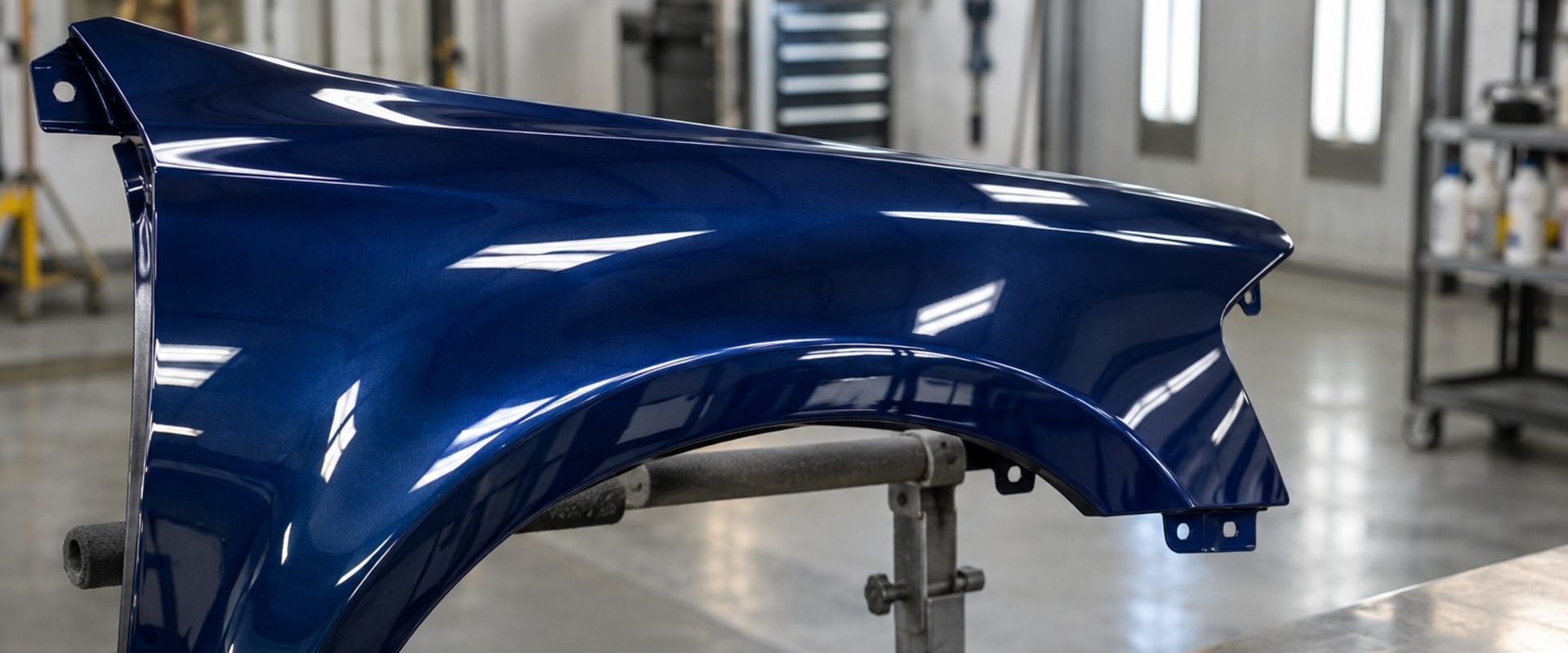
A freshly repainted panel deserves more than a generic instruction to keep the car clean. Before collection, ask the body shop for a written care plan tied to the finish it applied. The plan should explain what you can do now, what should wait and whom to contact if you notice a concern.
Identify the finish and repaired areas
Ask which panels were refinished and what kind of finish was used. Keep this information with the invoice, especially if only part of the vehicle was painted. A detailer working on the car later should know which areas have a recent repair.
Finish-specific instructions matter. For example, PPG's matte finish care guide warns against using wax, polish and products intended for standard glossy finishes on its matte finish. This illustrates why a familiar product from another vehicle may not be appropriate for the finish in front of you.
Ask when and how to wash
Request the shop's instructions for the first wash, suitable cleaning products and any restrictions on washing equipment. Ask how to handle contamination before the first planned wash rather than improvising with a strong cleaner or abrasive product.
Write down any waiting periods the shop specifies and what they apply to. A statement about washing is not automatically permission to polish, wax, apply a coating or install protective film. Ask about each planned treatment separately.
Coordinate future protection with the repairer
If you intend to use a detailer or film installer, share the repair information and have the providers agree on suitable timing and preparation. Avoid booking a protection service based only on an online timetable that does not identify your paint system.
Our article on preparing a vehicle for professional painting covers the earlier stage of the project. The collection-day care plan completes that conversation by explaining how the finished work should be maintained.
Document concerns before attempting correction
Inspect the repaired areas with the shop at handover and ask how to report a later concern. Keep clear photographs and describe when you first noticed the issue. Contact the repairer before trying a polish, compound or touch-up product that could change the surface.
Retain the written warranty and care instructions together. A useful handover identifies the finish, explains the approved care routine and provides a route for follow-up. That gives you a practical plan instead of a collection of conflicting general paint-care tips.


